
An original creation by ART'M créateurs associés · Available for turnkey hire
Does the sunflower really follow the sun? Why do we sleep at night? How do plants adapt to the seasons? Whose heart beats fastest — the whale, the mouse or the human?
Every living thing on Earth is governed by time-keeping mechanisms — from plants to animals, from the simplest to the most complex.
CLOCKS is an interactive and playful journey into this remarkable and little-known world — 40+ activities to explore cutting-edge research on biological rhythms, through play and discovery.
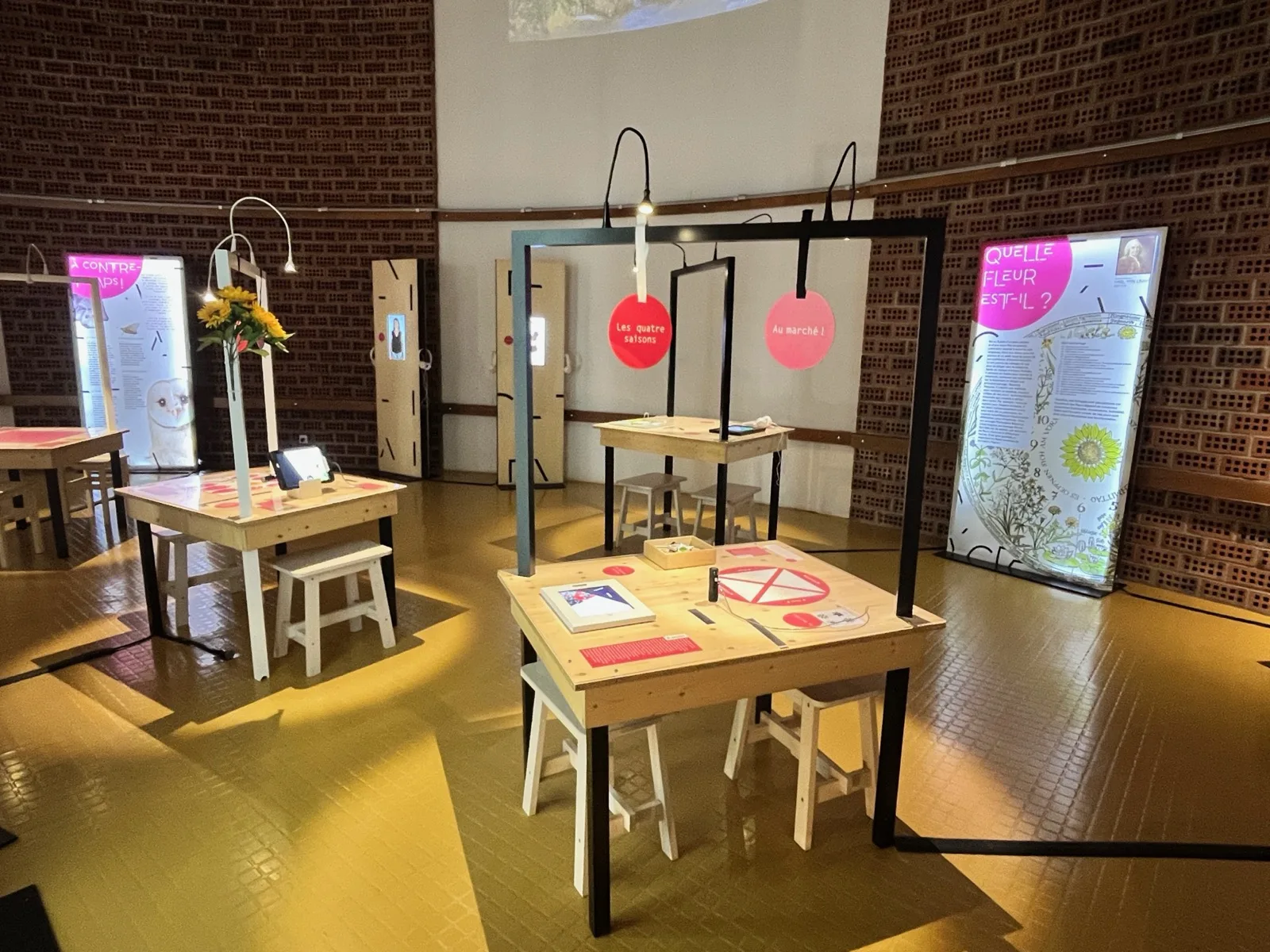 CLOCKS exhibition, created by ART'M créateurs associés, Muséum de Bourges
Rich, original content developed with researchers from CNRS, INSERM and the Société Francophone de Chronobiologie (French-speaking chronobiology society). For ages 5–6 and up.
40+ activities to learn through: tabletop games, tablet apps (digital interactives), installations, panels, videos and comics.
An original and offbeat take on the living world through its rhythms—games, videos and comics full of humour for learning through play.
Every living thing keeps time—from humans to plants, right down to simple bacteria! An invitation to discover what we share with every form of life.
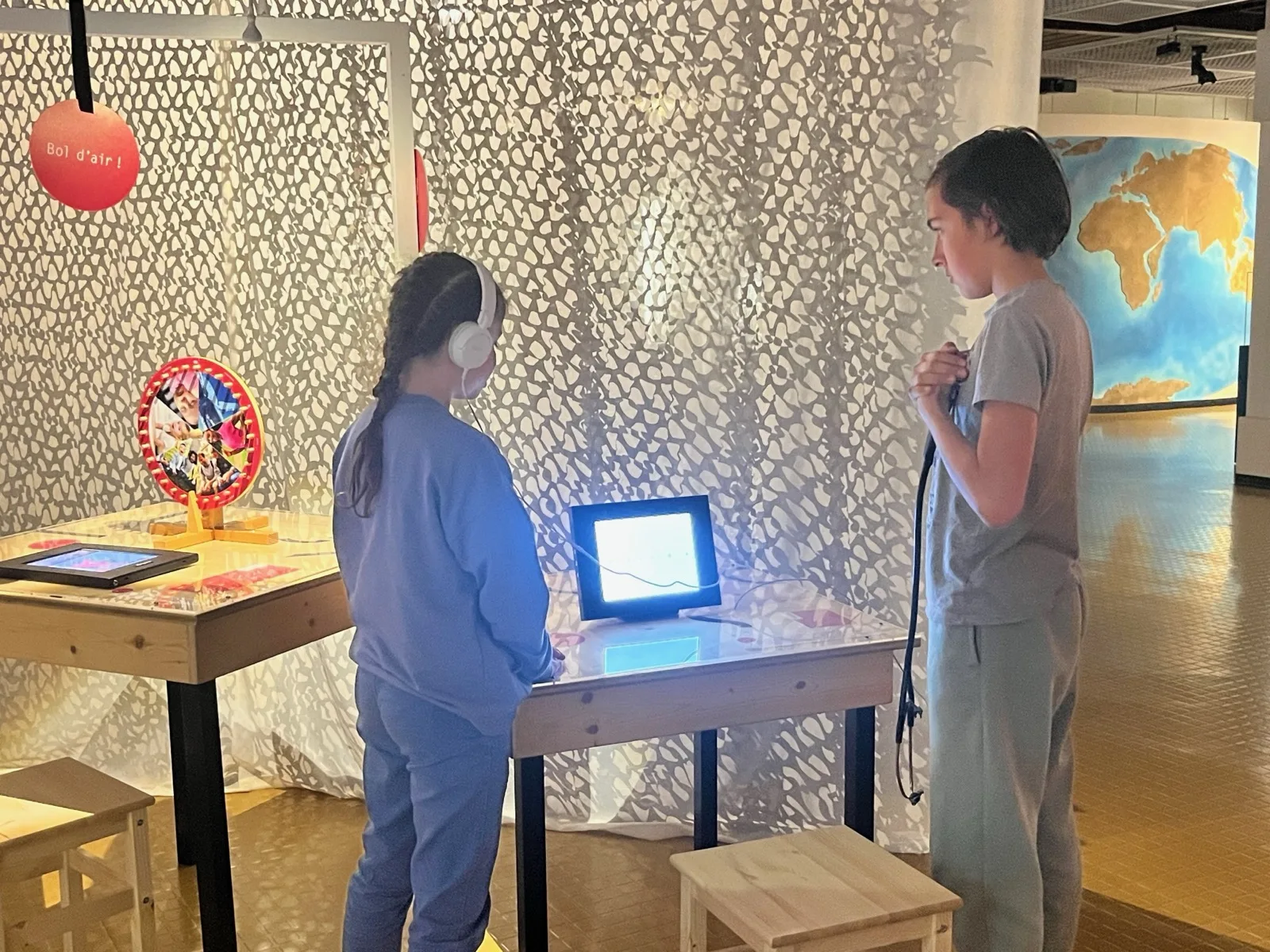 CLOCKS exhibition, Muséum de Bourges
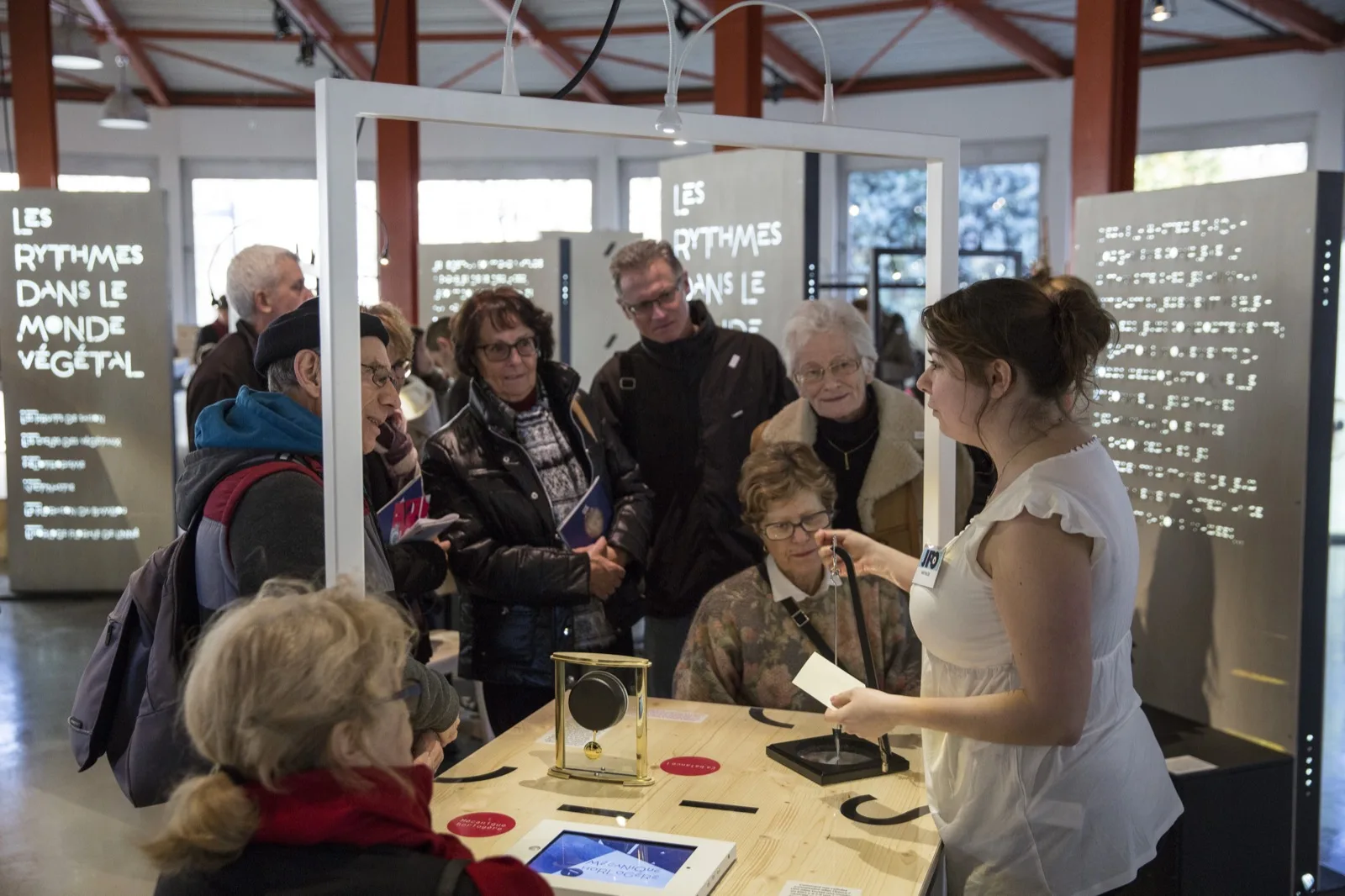 CLOCKS exhibition, La Rotonde © Pierre Grasset
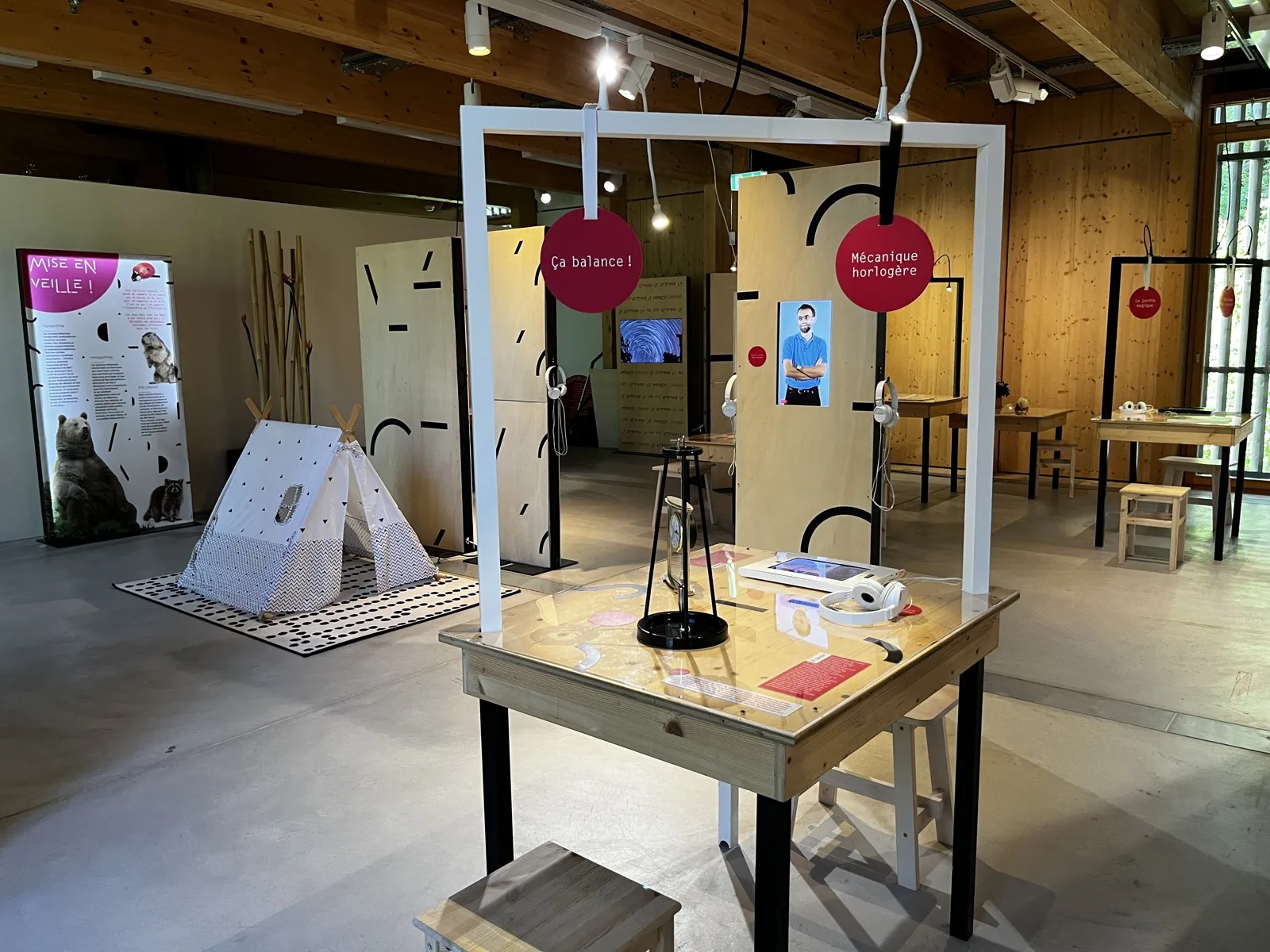 CLOCKS exhibition, Berges de Vessy, SIG, Geneva (Switzerland)
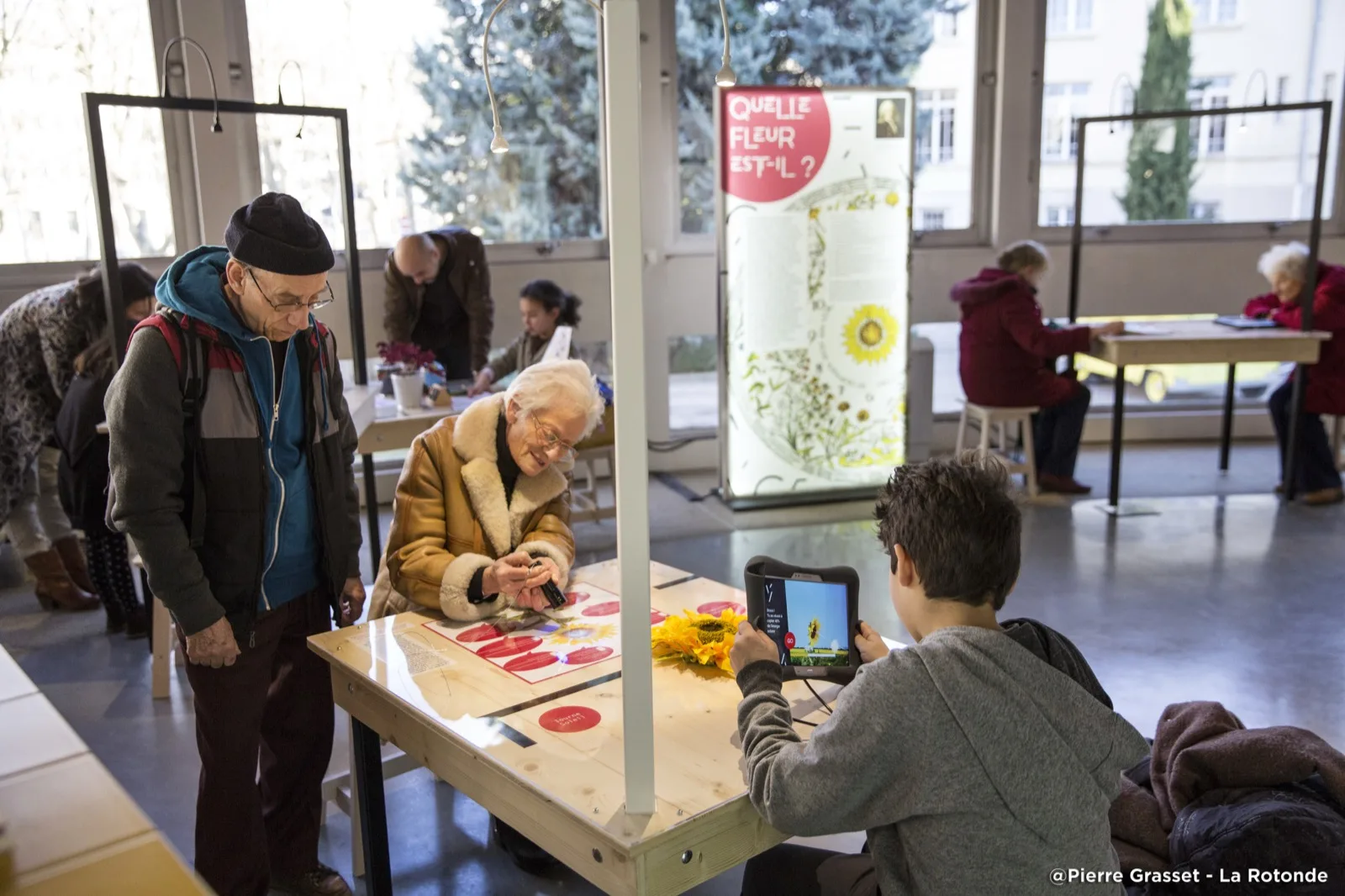 CLOCKS exhibition, La Rotonde © Pierre Grasset
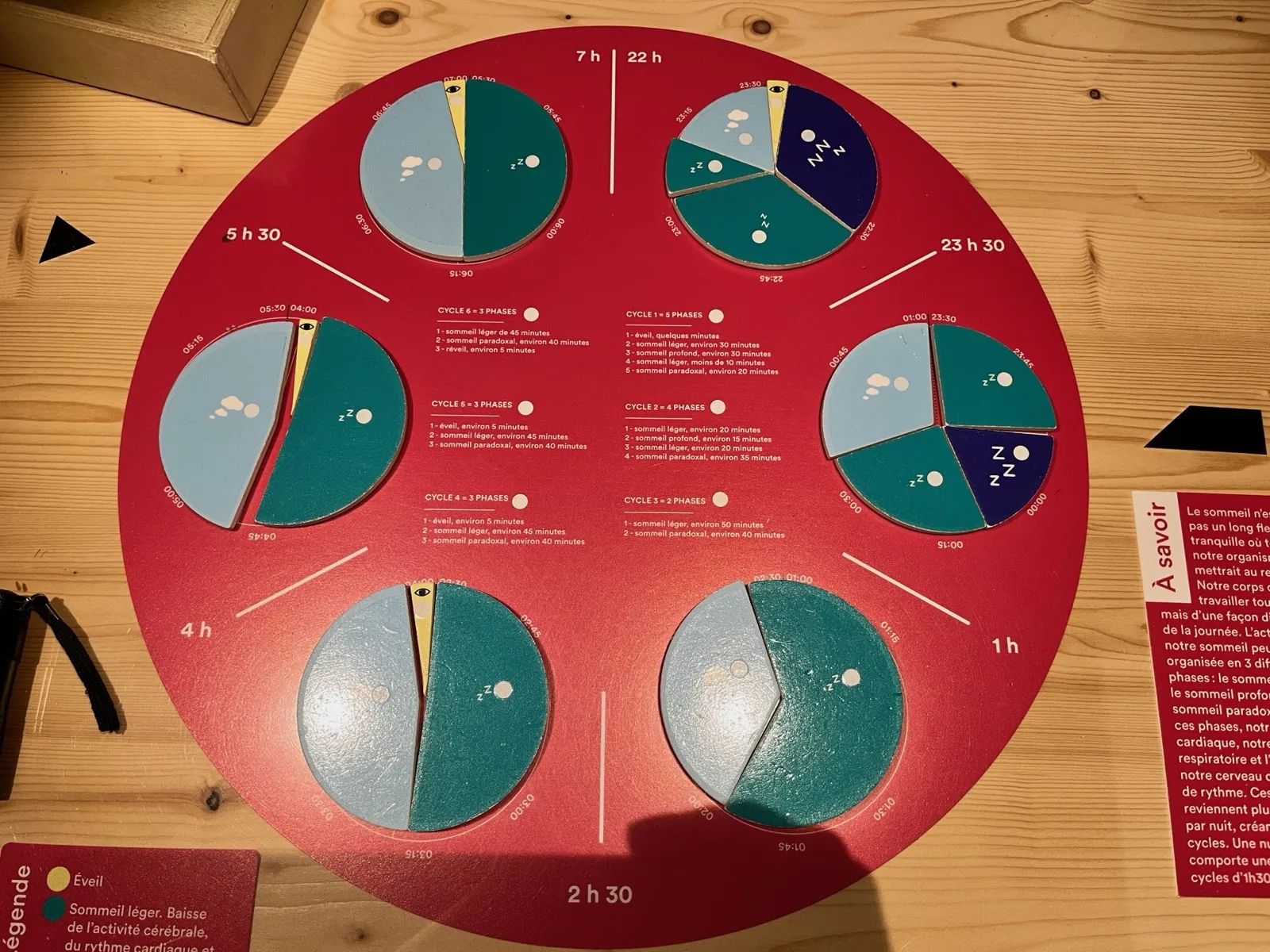
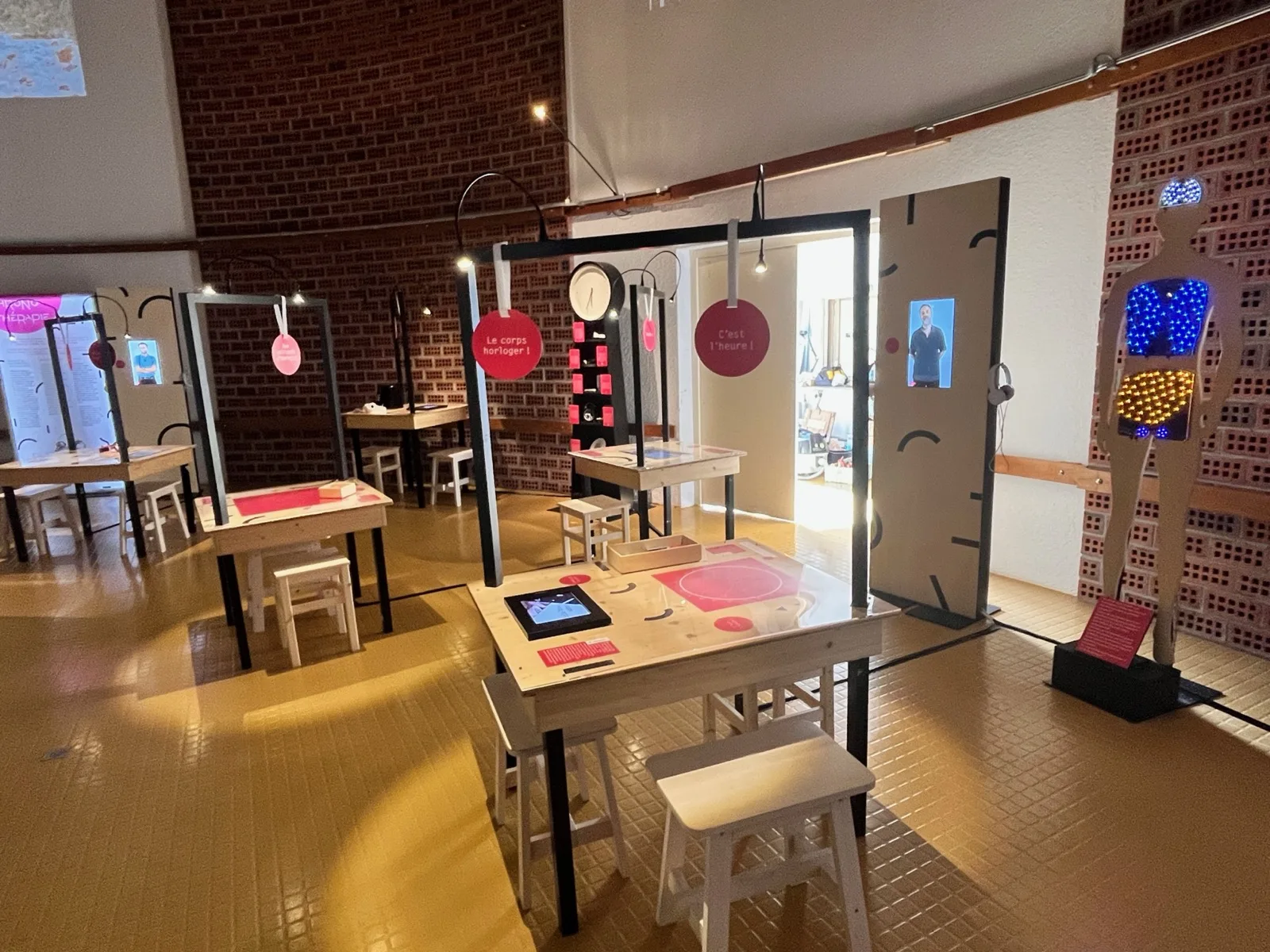
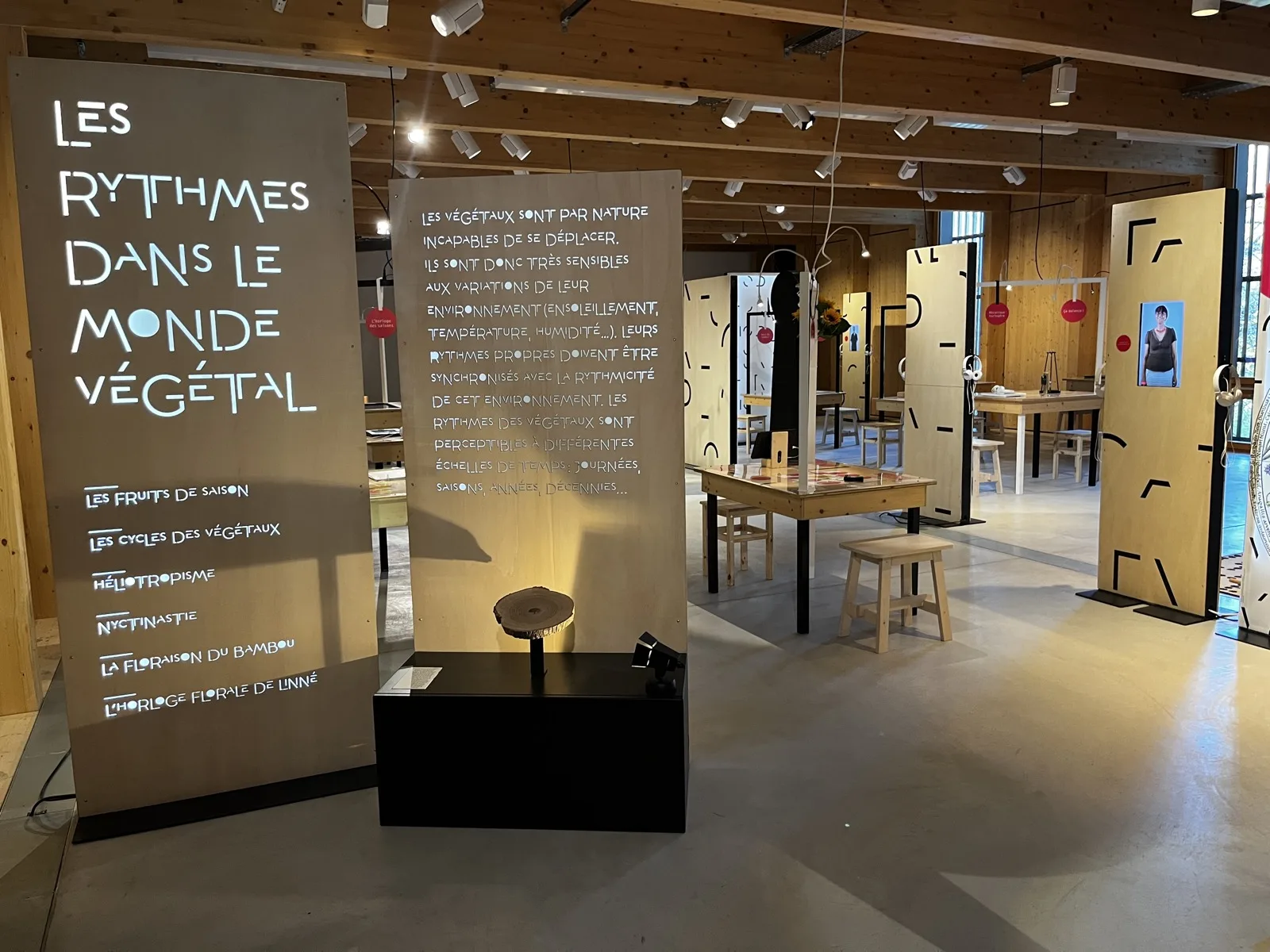
Without the original exhibition design, but with the full graphic design and content—panels, videos and board games to display on a table.
Supplied as digital files.
Ideal for libraries, schools, museums and all venues with a smaller space or budget.
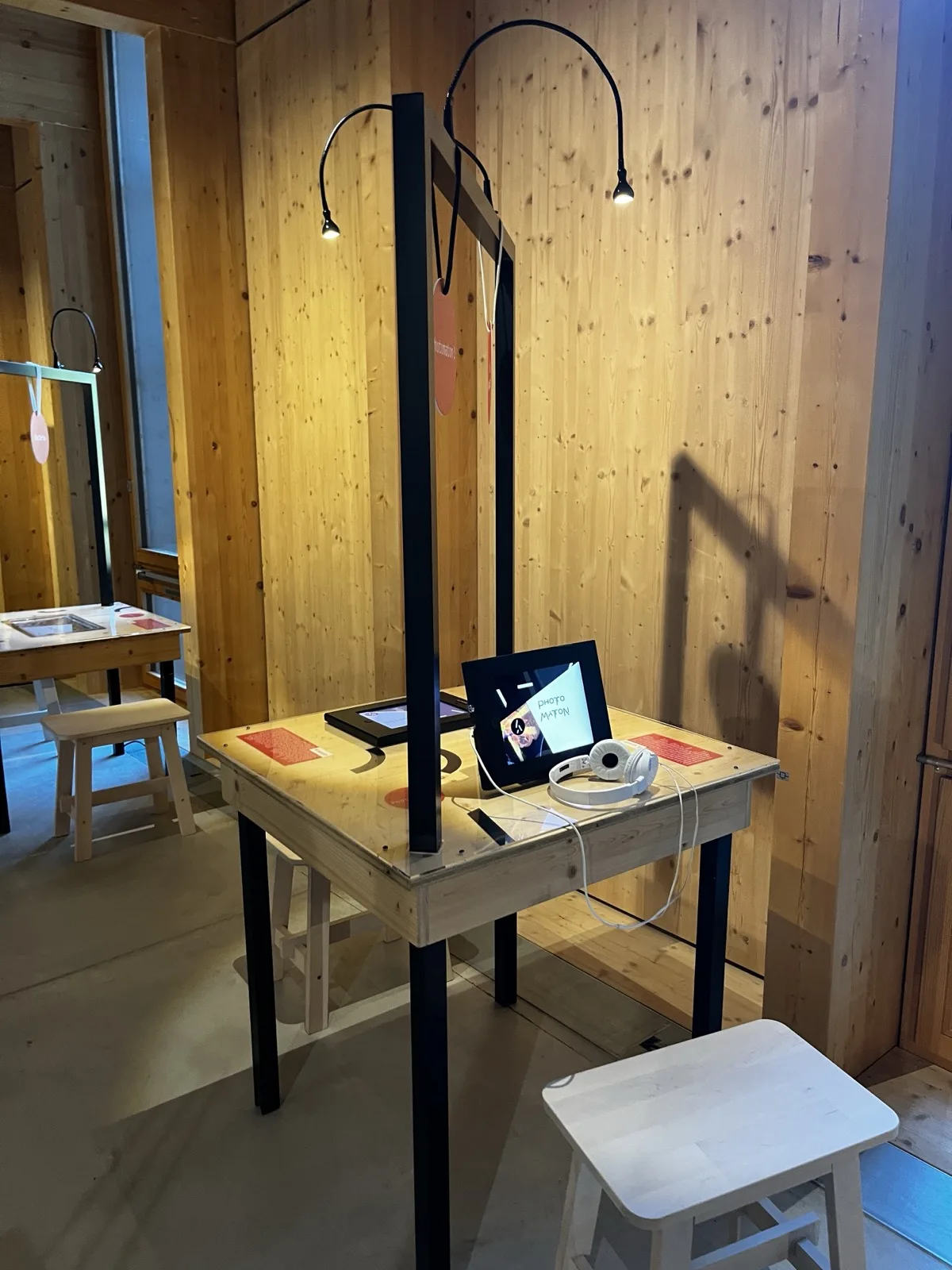
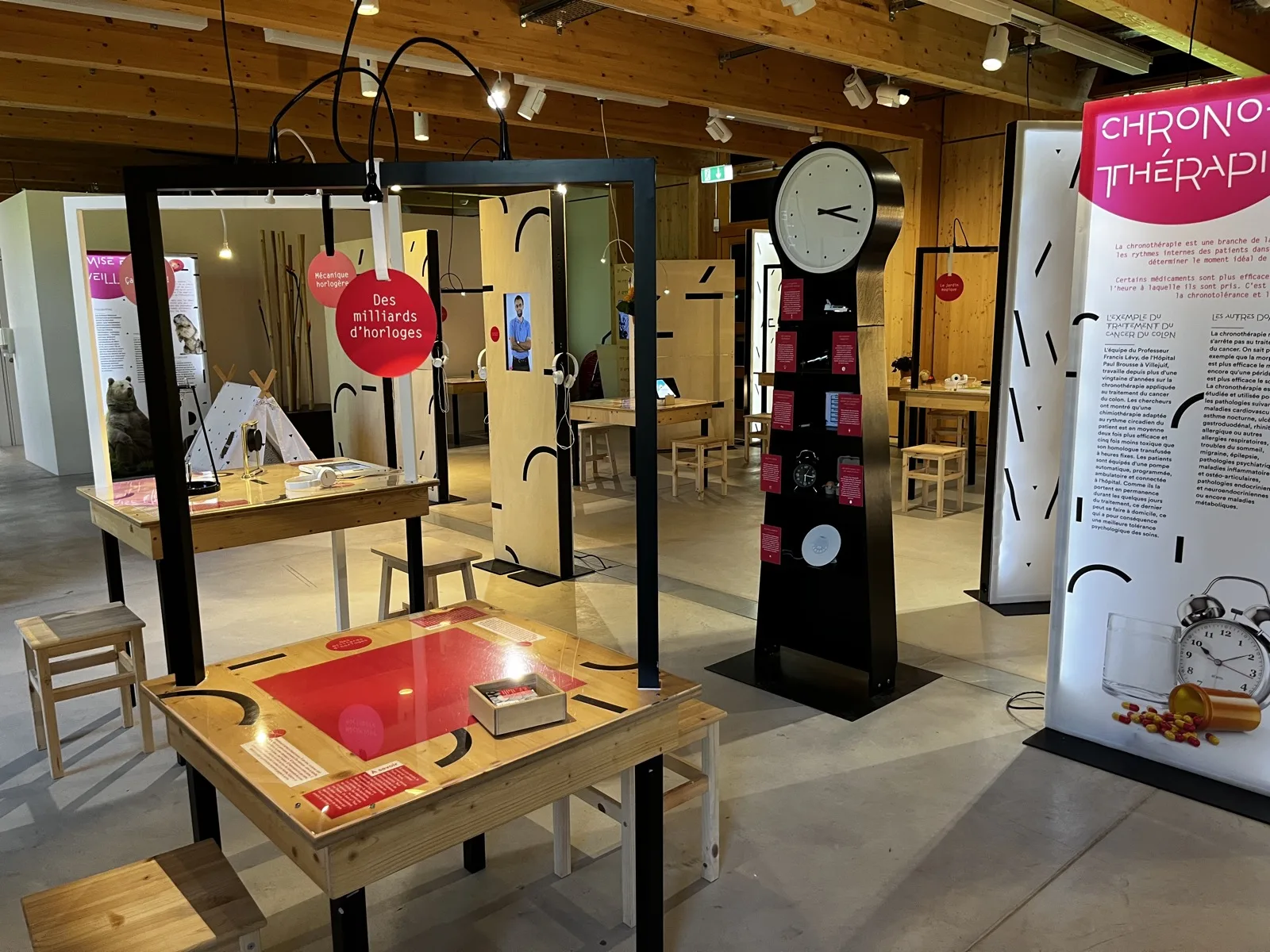
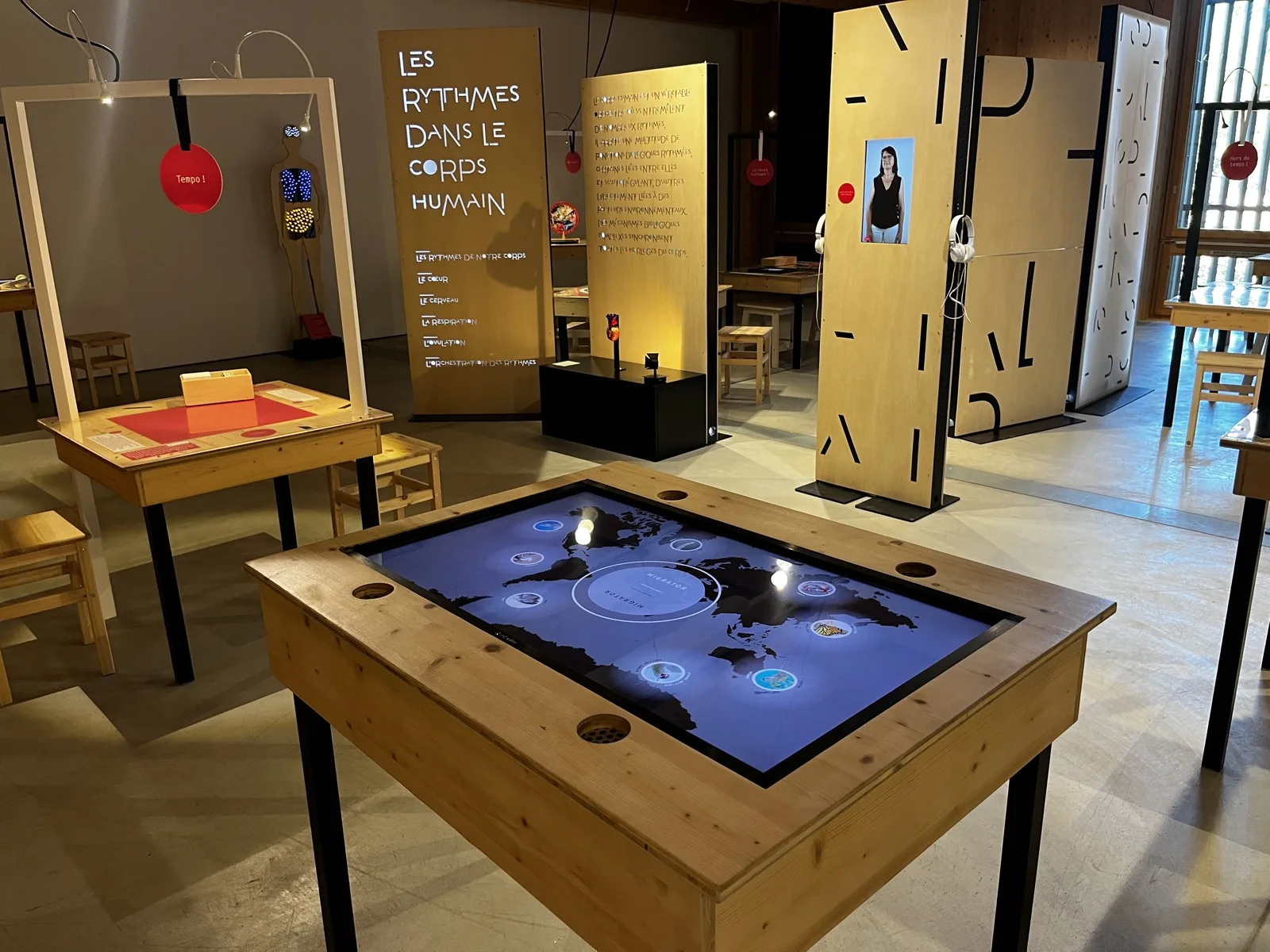
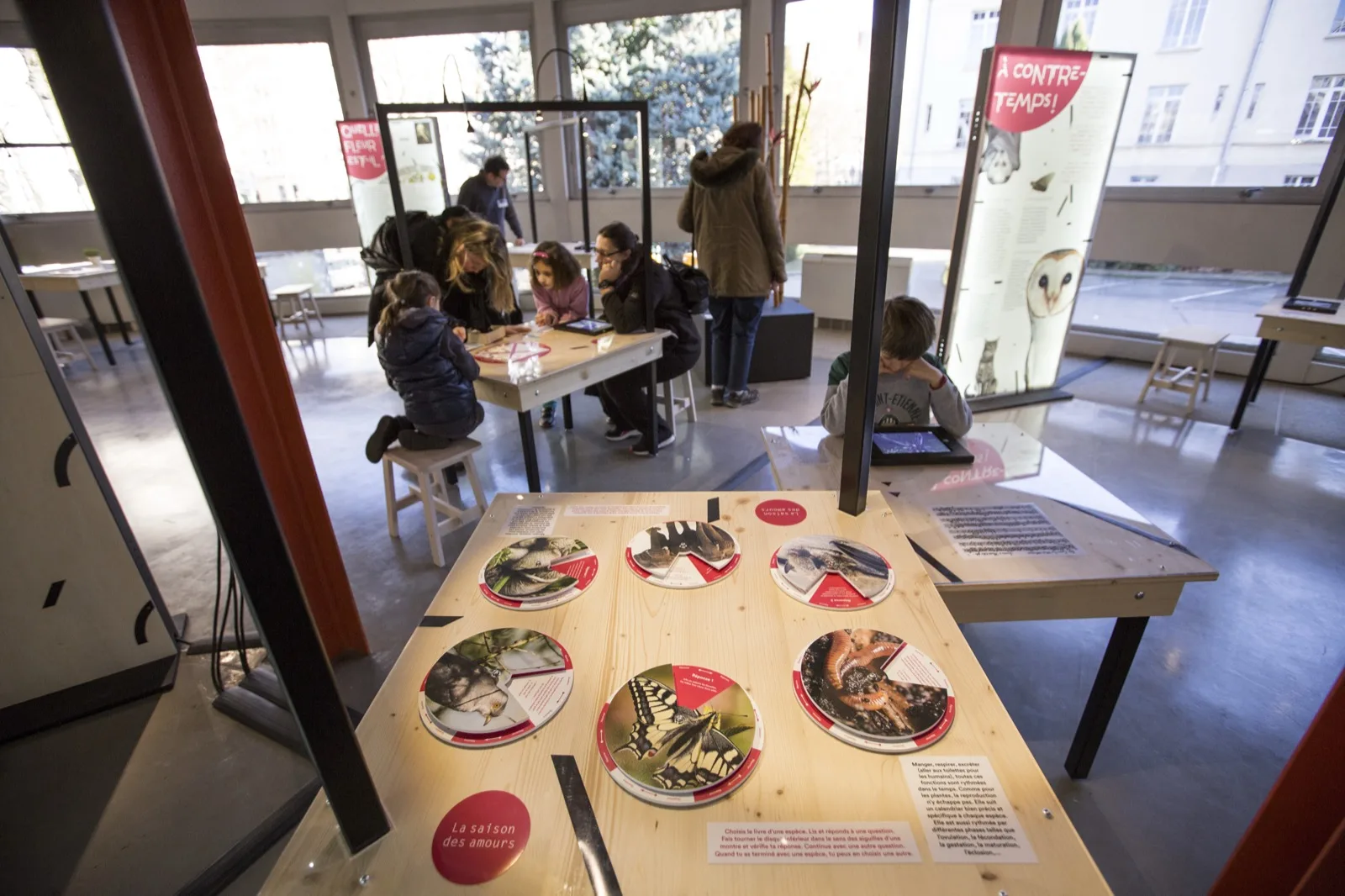
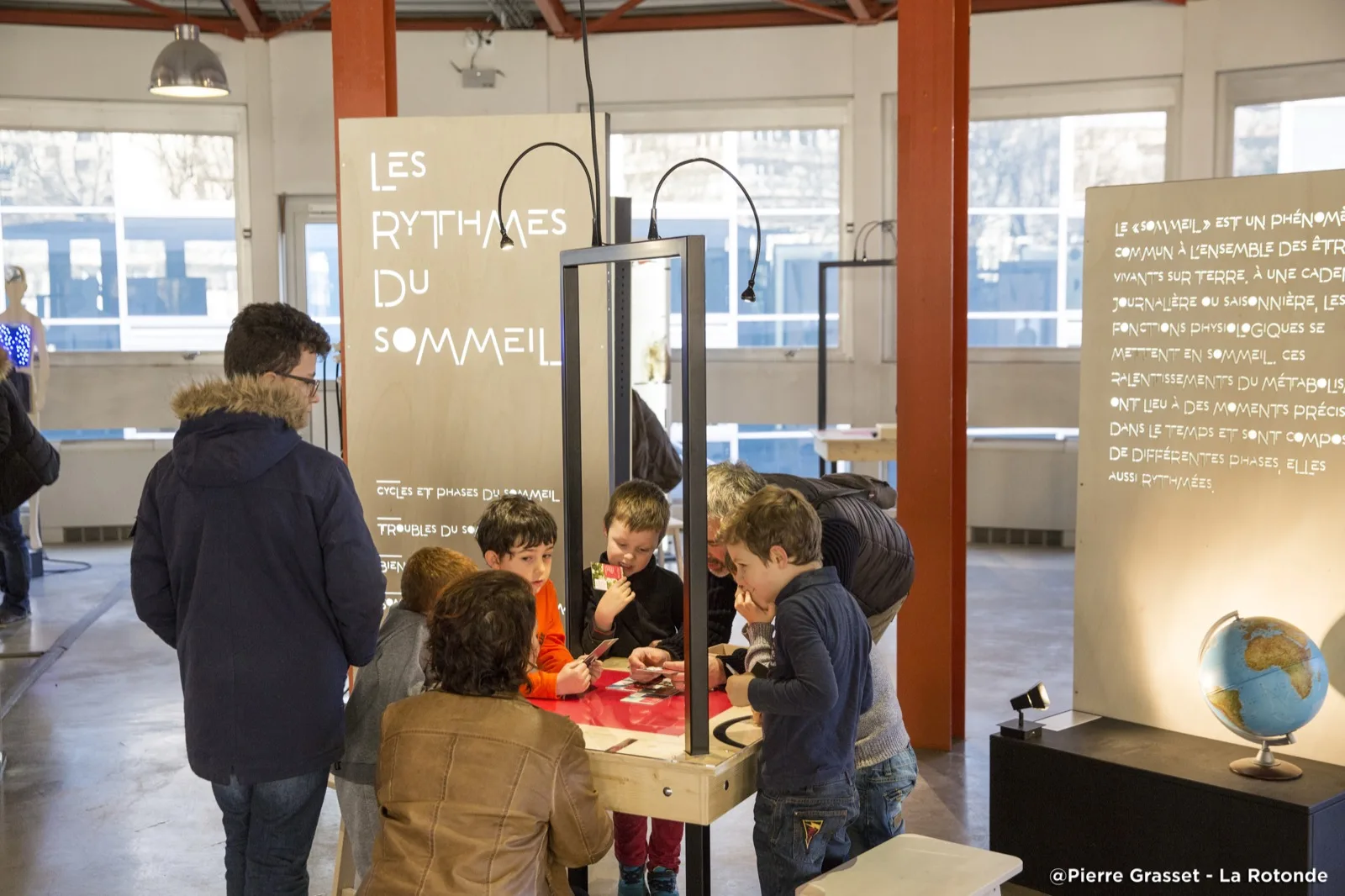
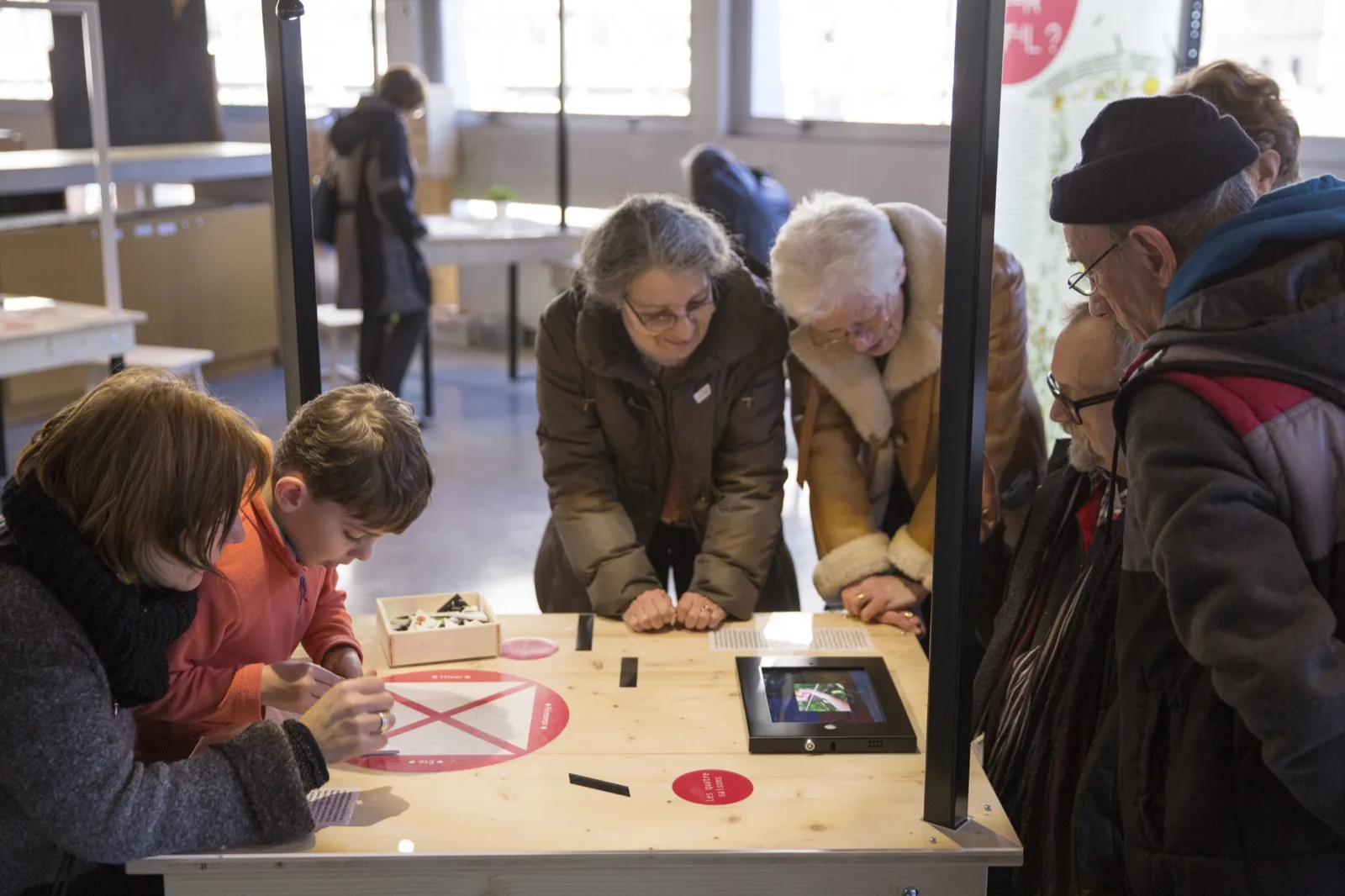
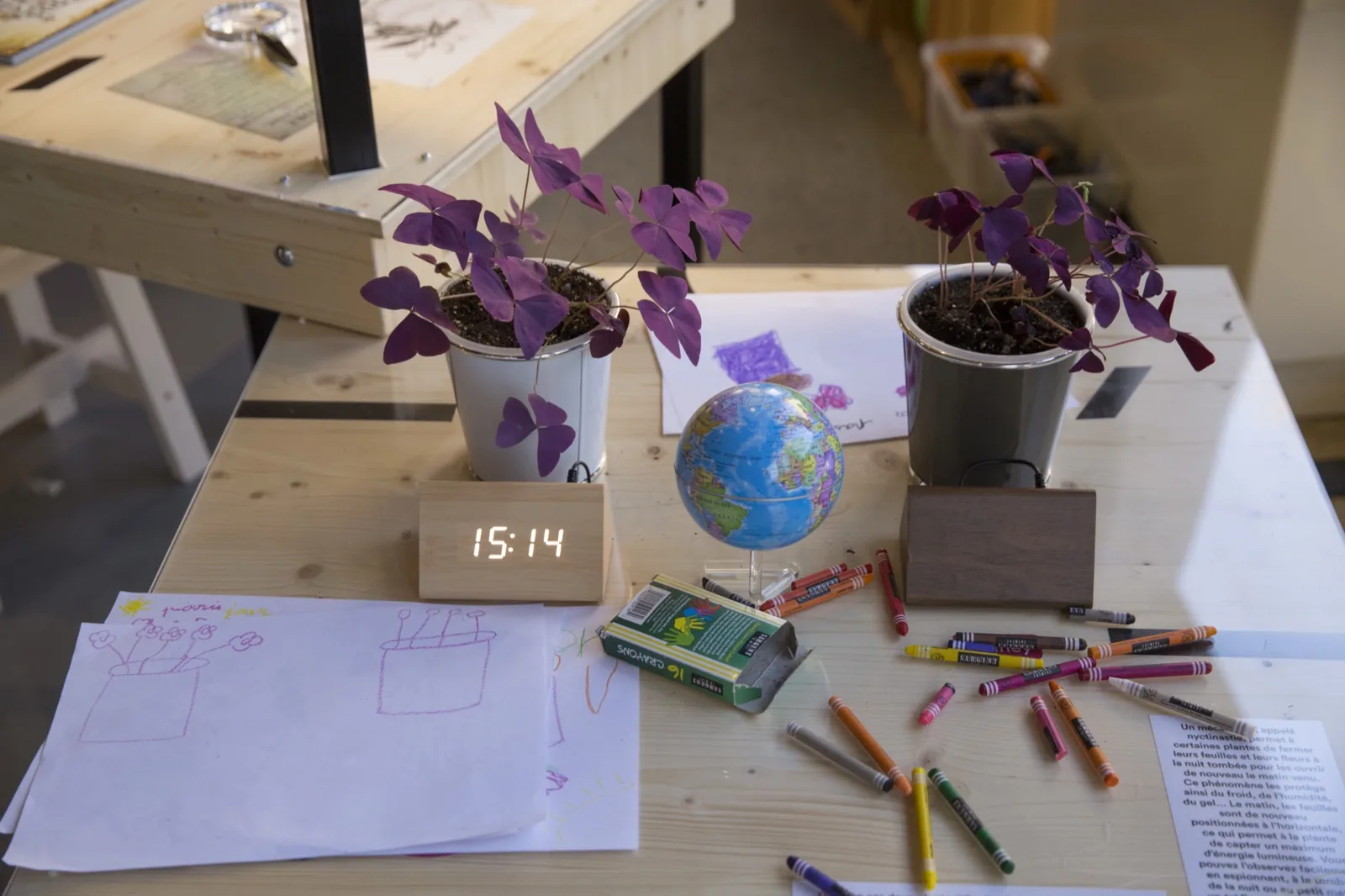
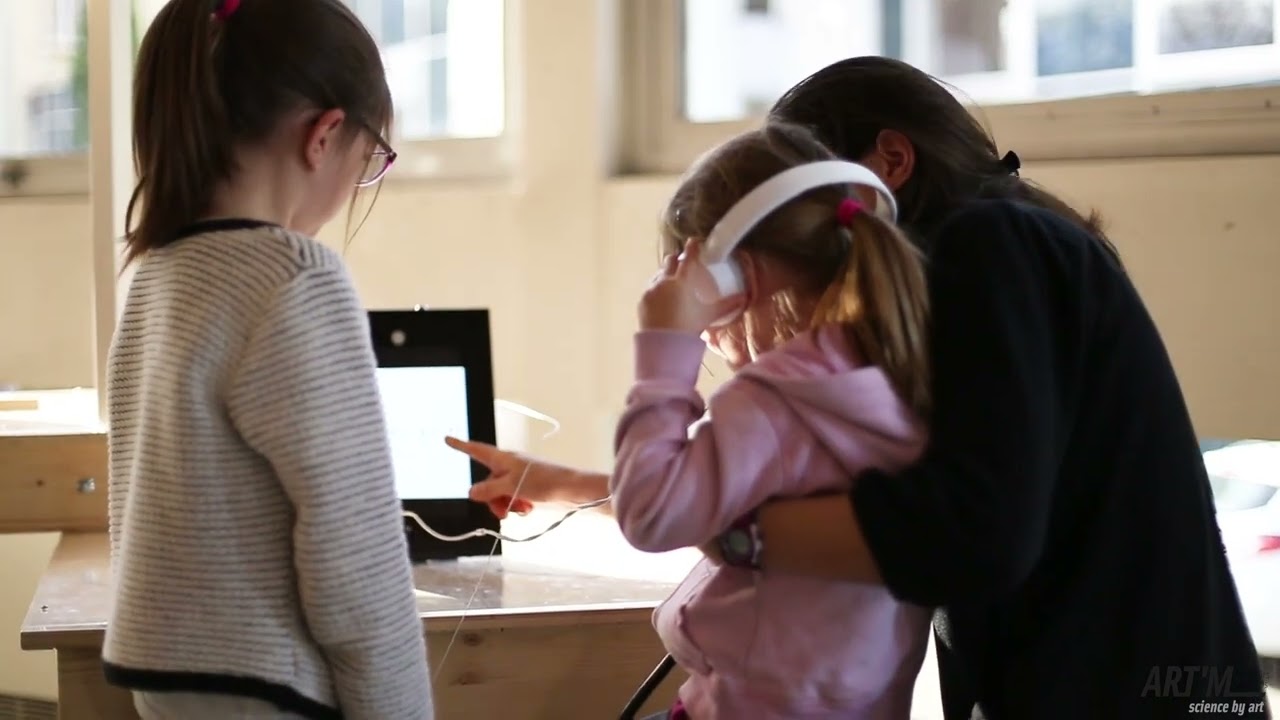
CLOCKS, Rhythms of Life
May–Nov 2026
Full-scale version
Nature centre
Berges de Vessy
Vessy — Switzerland
Apr–Nov 2025
Full-scale version
Natural history museum
Muséum d'histoire naturelle
Bourges — France
Jan–Aug 2022
Full-scale version
Science centre
Espace des Sciences
Rennes — France
Mar–Nov 2021
Full-scale version
Science centre
Cap Sciences
Bordeaux — France
Sept 2019–Mar 2020
Full-scale version
Science centre
Galerie Eurêka
Chambéry — France
Mar–Nov 2018
Full-scale version
Science centre
Le Plus
Dunkirk — France
Nov 2018–Mar 2019
Full-scale version
Science centre
CCSTI de Laval
Laval — France
Nov 2017–Mar 2018
Full-scale version
Natural history museum
Muséum d'histoire naturelle
Blois — France
Jan–June 2017
Full-scale version
Science centre
La Rotonde
Saint-Étienne — France
“The CLOCKS exhibition illustrates the omnipresence of biological rhythms. […] Through the interplay of multiple angles and a variety of simple but carefully crafted activities, the exhibition awakens our curiosity about the rhythms that drive us.”
Press article
Science & Medicine supplement, Le Monde — 2017 (translated from French)
“In the operational phase, we particularly appreciated Ms Nadal's high level of responsiveness and reliability. She reacted promptly and constructively to maintenance-related questions or adjustments.”
Marcel Braun
Director, Novartis Pavillon – Basel, Switzerland
From the visitors' book
“One visit wasn't enough. So this morning we came back to finish going round the exhibition. I can't recommend it highly enough: adults and children learn an enormous amount, in a wonderfully playful and varied way. […] We had a fantastic time!”
A visitor — La Rotonde, Saint-Étienne, 2017 (translated from French)“A fascinating exhibition — both entertaining and hugely informative. Congratulations on all this creativity!”
A visitor — Muséum de Bourges, 2025 (translated from French)“great exhibition for learning while having fun. we loved it, thank you!”
Héloïs, age 9, Alexine, age 7, and their mum — Muséum de Bourges, 2025 (translated from French)“the bit where you're an animal and you do a migration is really really cool”
A visitor — Muséum de Bourges, 2025 (translated from French)Let's talk about your project.
Working languages: French and English. Both exhibitions can be adapted into any language, with texts translated and proofread by native speakers.